NCCBC Session 2: Off Flavor Sensory Training ("Beer Beasts")
I share my thoughts on the whole "IPA Hate" weirdness and throw in some scary info about "Beer Beasts."
BEER U
Rebecca Marmaduke
11/22/20256 min read
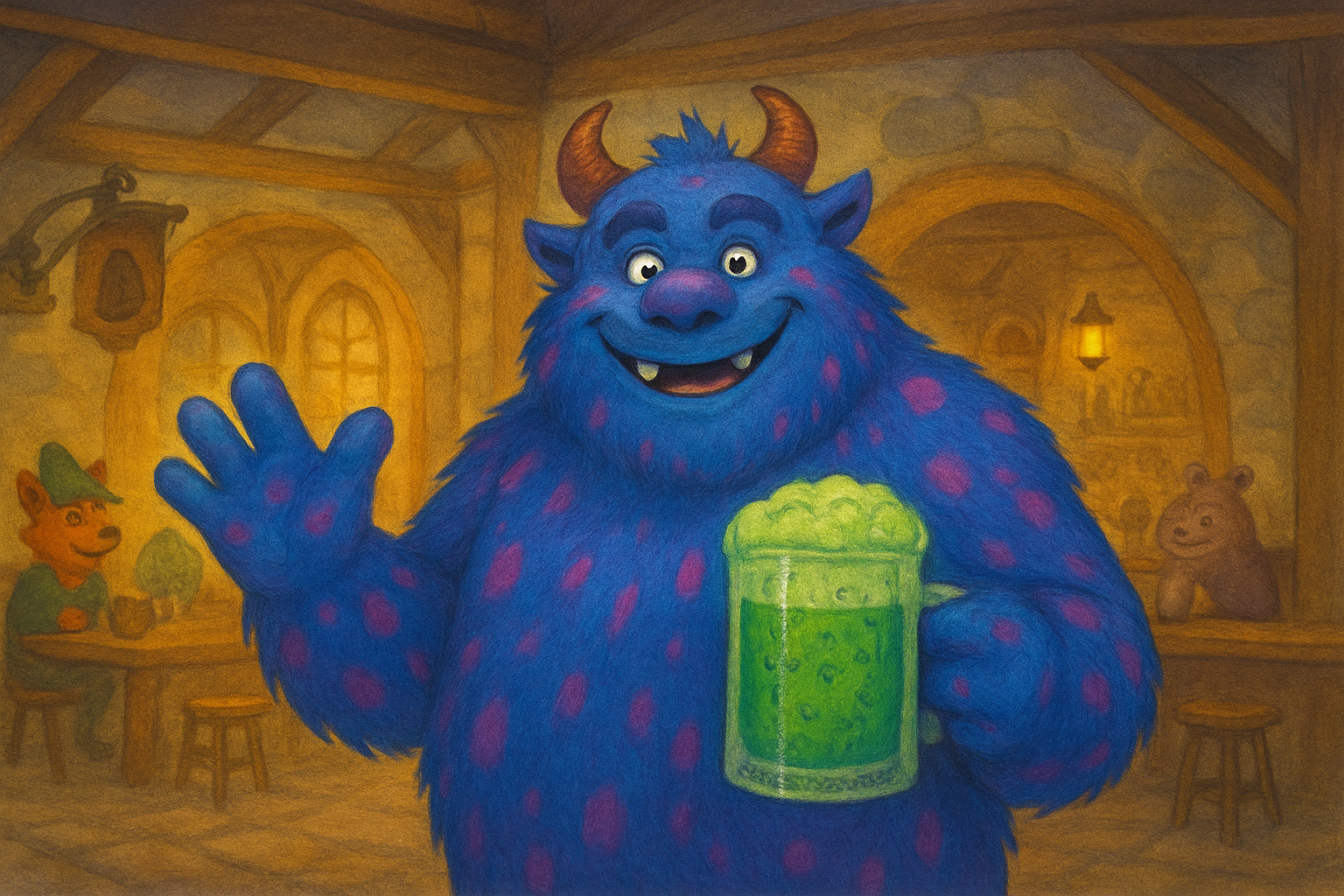
The Beast is in the Beer
I’m going to start off on a completely different topic that isn't immediately related to beer flaws by making a broad and indeterminate assumption — most of us beer lovers are tired of the whole “IPA hate” debate going around on social media and elsewhere. But stick with me here because there is a method to my madness.
According to one article I found on Bloomberg, the IPA — a piney, bitter version of the all-but-extinct English IPA—became a core staple of the American craft beer industry in the 1990s. These translucent, golden ales with intense grapefruit and resin flavors were unlike anything on the market at the time, and consumers began to fancy them in greater numbers. Thus began the International Bitterness Unit wars of the early 2000s.
Then, around 2018 came the backlash. Those same consumers seemingly grew tired of bitter/hoppy beers, and Hazy IPAs gained popularity over the more hop-forward styles. Some brewers and drinkers even expressed fatigue with the sheer volume of IPAs. At one time, we at NC Beer Explorer were no exception, and Chief Beer Bro Ben even did his own article and video about his dislike of IPAs. (He later had to drink his own words, but you can go back and read about it for yourself.)
To finally come to my point (and I do have one): preference is subjective. The more you’re exposed to different flavors and styles, the more adventurous your palate becomes; and eventually, you’ll be bored to tears if you have the same thing over and over, whether it’s the blandest of lagers or the hoppiest of IPAs. So, let’s move on from the whole IPA brew-ha-ha and just acknowledge that if you’re enjoying it, it’s good beer.
Good Beer Gone Bad
However, I'm launching into my main topic — truly bad beer. Scary beer, as in “Beer Beasts” that I hope you’ll never encounter, and — thanks to the expertise, mindset, and rigorous quality control of NC brewers — I’ve fortunately avoided until now.
I attended an off-flavor sensory workshop at the 2025 North Carolina Craft Brewer Conference led by Whit Baker of Bond Brothers Beer Company and Chris Creech of the Glass Jug Beer Lab where I got to experience first-hand what awful beer is all about. As a favor to you, one beer lover to another, I hope I can throw some light on preference versus the horror of truly bad beer.
(Disclaimer: I don’t know how the facilitators obtained/concocted the “beer” [using the term loosely] in the workshop. That’s their trade secret and none of my business.)
Beer Flaw 1 – Acetaldehyde
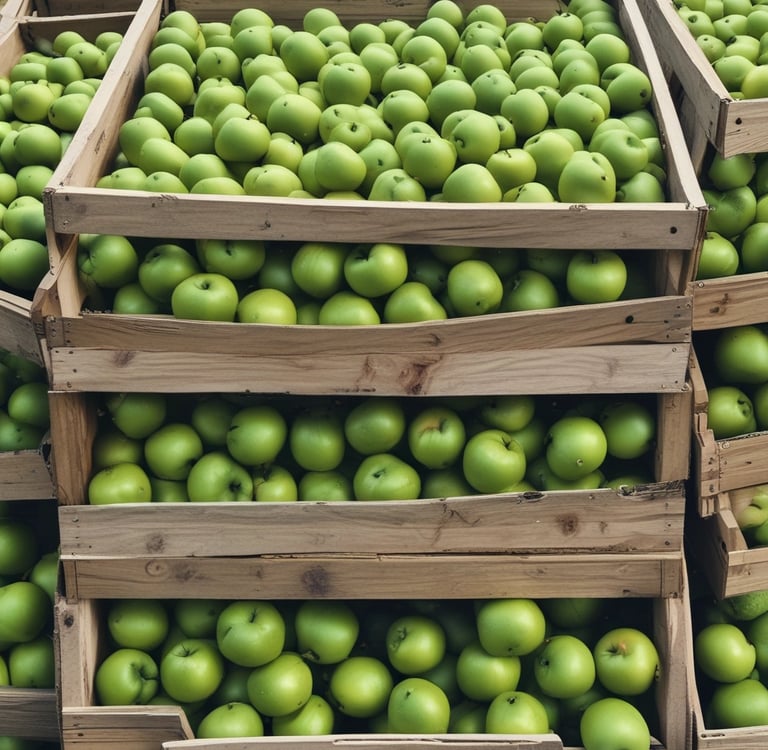
This one reeked of green apples on the nose and palate. I also got a sense of being in a room that had been recently painted with latex paint. This flaw comes from a volatile aldehyde that’s both a natural part of brewing and, when it overstays its welcome, it’s one of the most recognizable off-flavors you’ll encounter. It forms right before yeast completes its transformation of wort sugars into ethanol.
Brewers typically avoid this flaw by using healthy yeast and ensuring complete fermentation. (Our friend Michael Cherry talked about the importance of yeast when we visited Northern OBX Brewing. I need to circle back to him sometime for more insights – what he said was really interesting.)
Beer Flaw 2 – DMS
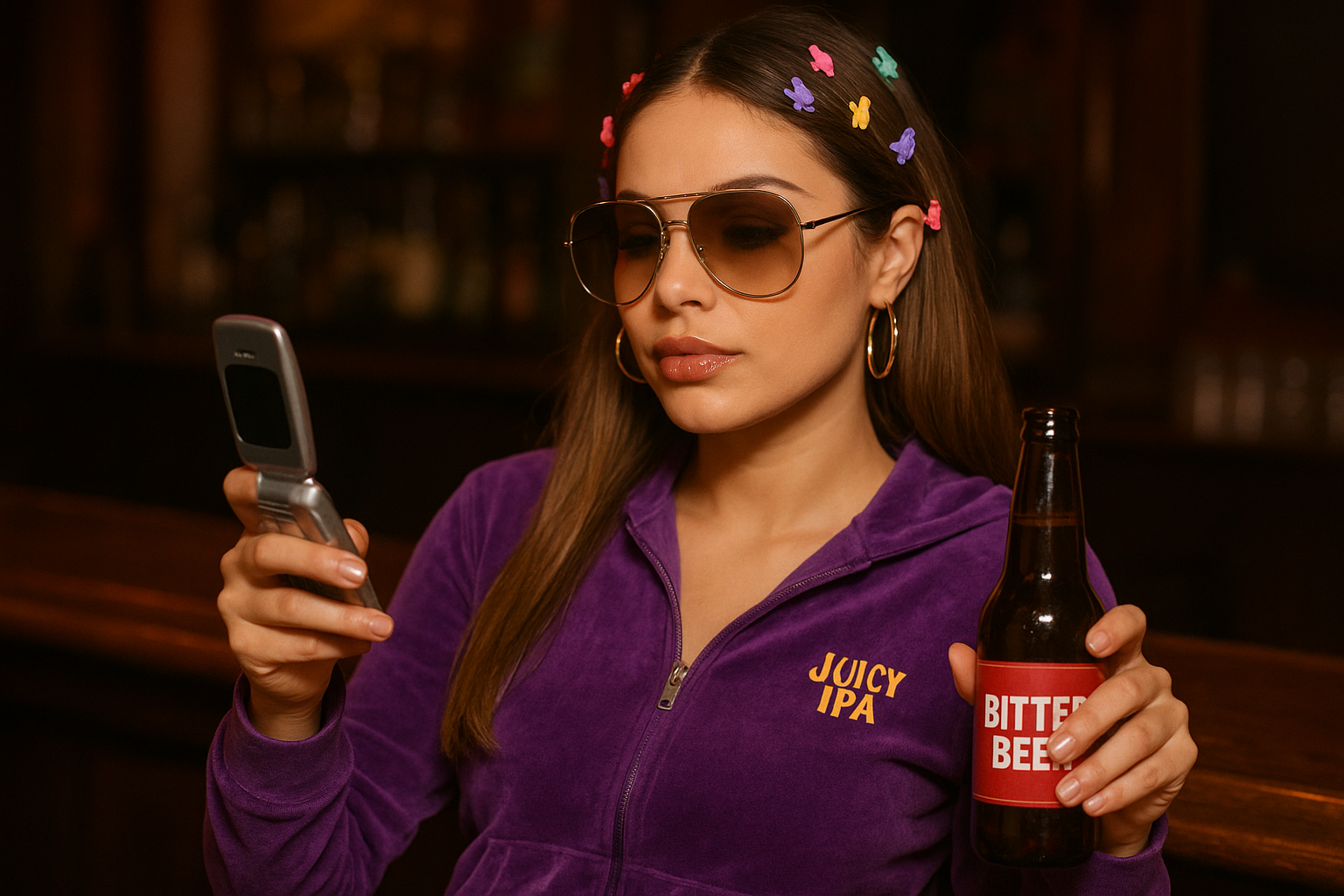
We write all our own content, and the insights are ours, unless otherwise noted.
However, we will shamelessly use AI to create images of a circa 2000 "Beer Babe."
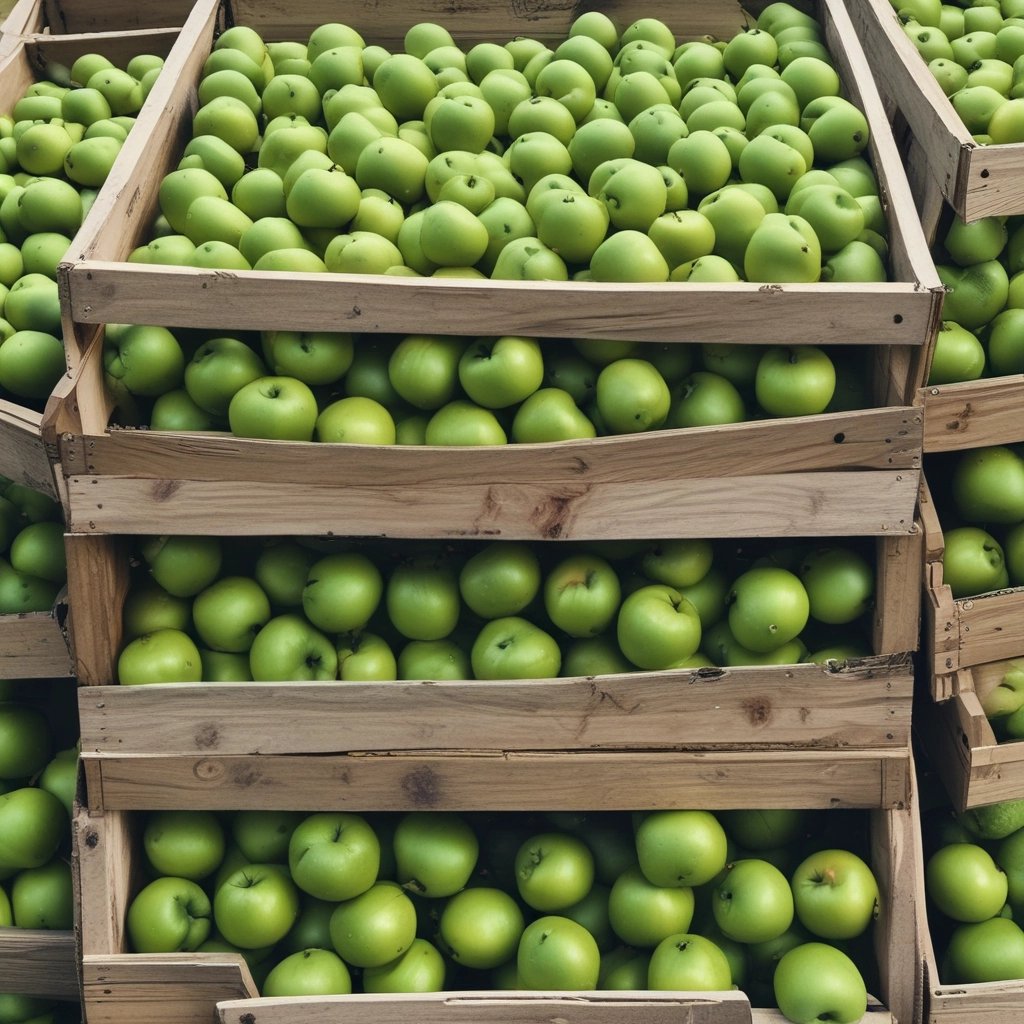


This one smelled like five-day old corn casserole with a side of cabbage. A natural result of malting and mashing, DMS (dimethyl sulfide) is generally frowned upon, but in most beer styles, it’s not really an issue. It becomes an issue when it’s a sign of bacterial contamination, and it’s usually kept at bay by rigorous boiling of the wort and then cooling it down super-fast (or so I was told).
Personally, I’ve encountered a slight hint of cornflakes in low levels in good beer and liked it, but it also could have just been the result of the yeasts and hops used in the brewing process. In my modestly informed opinion, one person’s corn perception could be another person’s malty-sweet. Again, ya'll — I'm talking about preference, not putrescence.
Beer Flaw 3 – Diacetyl


Now we get into the truly awful stuff. Since most attendees in the room worked in breweries, they were able to immediately pick up on the deeply buttery smell and flavor of this flaw. Think, movie popcorn doused in butterscotch. This flaw is the result of diacetyl.
Like acetaldehyde, diacetyl is a byproduct of fermentation. If the yeast is not healthy and up to the task of fermentation, this compound can be oxidized into diacetyl, resulting in “butterbeer. “
Now, take a sensory sidestep with me, but only if you dare: I LOVE New Orleans. I’ve lost count of the times I’ve been there at all times of the day and night. But one never forgets the smell of the sidewalk on Bourbon Street in the wee hours of the morning before the businesses along the French Quarter hose things down. When Chris asked the audience what they smelled in Beer 3, I called out, “Sidewalk vomit!” He gave me an amused look and told me to remember that this is how diacetyl smells to me. (Don’t say I didn’t warn you.) Again, this was my own subjective perception, and I'll spare you any related imagery.
Beer 4 - Lightstruck
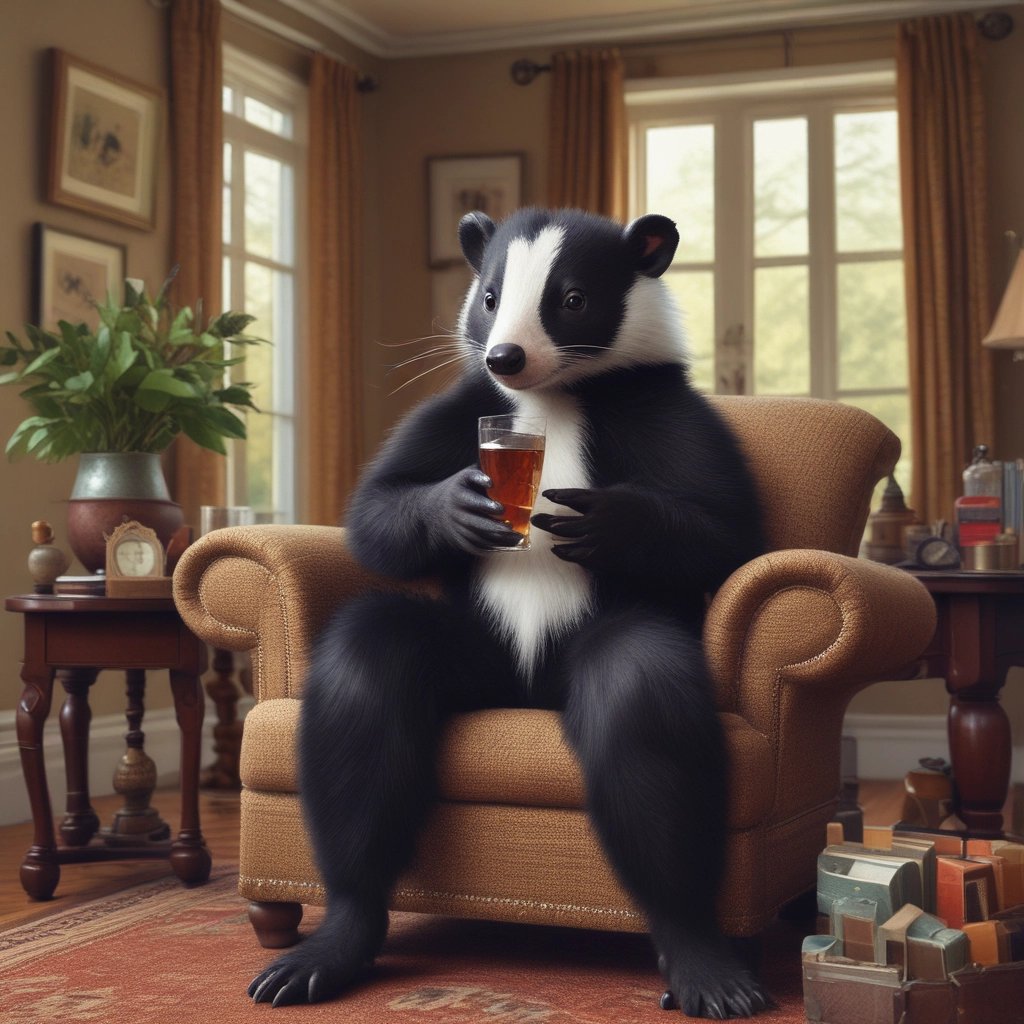
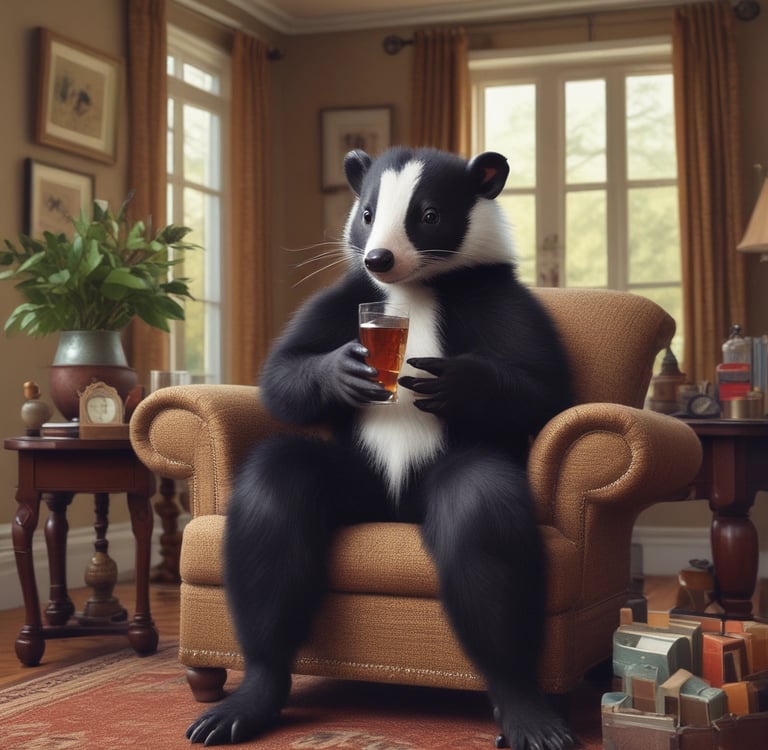
If you’re drinking a beer, and you suddenly think you’re being stalked by a skunk eating a bologna sandwich, then you’ve just experienced “lightstruck” or “skunked” beer. Lightstruck beer has a skunky, sulfur-like smell and taste due to light exposure, which causes a chemical reaction with hop compounds. This process, also known as "skunking," is often a result of UV and blue light breaking down bittering agents in hops, creating a compound similar to what's in a skunk's spray. To prevent this, beer is packaged in dark brown bottles or opaque cans, which block the light. The presenters mentioned that Miller Brewing uses a special process to avoid this flaw in their famously clear beer bottles.
Beer 5 – Oxidized

This one was not as horrible as some we smelled/tasted. Most of the attendees described the flavor as “papery” or “wet cardboard” because of their industry background. I’m not proud to admit that I have a tendency to relate to off flavors based on personal experience, so this one was giving me the throwback fragrance of "White Rain hairspray" (you either know it or you don’t). Some people also perceive the smell/taste is like almond extract.
According to Chris and Whit, oxidation in beer is caused by the introduction of oxygen at various stages, from the mash to storage, accelerated by heat. This can happen during transfers, packaging, or through equipment leaks, leading to staling and undesirable flavors like wet cardboard and loss of hop aroma. As far as prevention, the facilitators talked about using closed-system transfers, purging containers with carbon dioxide, and minimizing splashing. As one brewer we talked to once put it, "Brewing is 10% creativity, 90% janitorial."
To Wrap Things Up
We also tasted two more beers with flaws, but this post is getting long, and I want to leave something for next year’s sensory workshop and/or another post. My intended audience here is the average beer consumer so you can recognize when there is something seriously wrong with your beer, as opposed to your preference for certain flavors over others. If you like IPAs, good for you! If you’d rather have an imperial stout so punched with coffee and chocolate, it’s like a double mocha-chocolata-ya-ya in your mouth, good for you! But if you ever encounter any of the flaws mentioned herein, something ain’t right. Send it back! Meanwhile, visit any of the breweries we have profiled here on NC Beer Explorer, and chances are you’ll never meet with any Beer Beasts.